Table linens · Fabric guide
Choosing a Tablecloth: How Fiber, Weave, and Finish Change the Setting
The right tablecloth does more than dress a table. Its fiber, weave, and finishing details shape the way it falls, feels, and holds up to real meals—whether the occasion is a quiet weekday supper or a gathering that calls for a little extra polish.
Published October 14, 2026
A tablecloth can change the mood of a room in an instant. A softly rumpled linen cloth makes a table feel relaxed and welcoming; a smooth, closely woven cotton can look crisp and composed; a glossy fabric may lend a more formal note. These impressions aren’t just about color or pattern. They begin with the cloth itself: what its fibers are made from, how those fibers are woven, and what happens to the fabric during finishing.
Those choices matter after the meal, too. They affect how a tablecloth drapes over the edge, whether it feels cool or substantial beneath the hands, how quickly it shows creases, and what kind of laundering it needs. Understanding a few textile basics helps you choose table linens for the way you actually live—not only for the way they look folded in a cupboard.
Here’s a closer look at the qualities behind a well-chosen tablecloth, including the character often associated with fine linens and the practical questions worth asking before setting the table.
Start with the fiber: the material sets the tone
Fiber is the raw material from which yarn and fabric are made. It influences a cloth’s hand, strength, absorbency, and care needs, although the weave and finish can alter those qualities considerably. A label that names the fiber is a useful starting point, not a complete verdict: two fabrics made from the same fiber may feel and perform differently.
Linen: textured, breathable, and naturally expressive
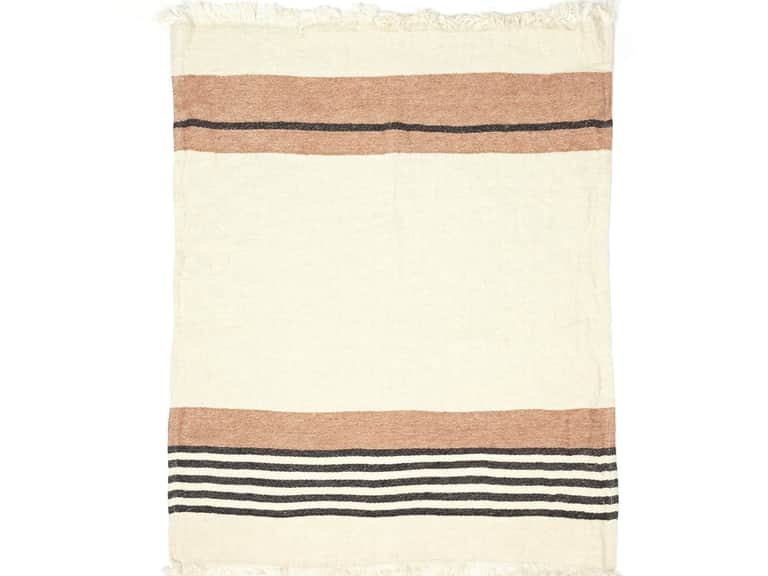
Linen is made from flax fibers. In a tablecloth, it is often valued for its distinctive natural texture, strength, and graceful drape. The surface may show small variations in yarn and weave, giving the fabric an appealingly individual character rather than the uniform smoothness of some other cloths. That texture can make even a simple, solid-colored table setting feel considered.
Linen also wrinkles. For some households, that is part of its relaxed charm; for others, it is a practical drawback. A newly laundered linen cloth can look crisp, but creases may appear as it is handled or folded. A more casual setting can welcome those soft folds, while a sharply formal table may call for pressing or a fabric with a smoother, more crease-resistant appearance. Neither preference is more correct. The best choice is the one that suits the atmosphere you want and the care you’re willing to give.
Fine linen is not simply linen with a fancy label. Look at the overall fabric: the consistency of the weave, the feel of the yarn, the neatness of seams and hems, and whether care instructions are clear. A carefully made linen tablecloth can be durable and long-lasting, but quality is best judged by its construction and performance—not by a single adjective.
Cotton: familiar, adaptable, and easy to live with
Cotton tablecloths range from smooth and lightweight to dense and sturdy. The fiber is widely used for household textiles because it can be woven into many different structures and is generally straightforward to wash. Depending on the cloth’s construction and finish, cotton may feel crisp, soft, brushed, or sleek. It can work well for everyday dining, where regular laundering and dependable performance are priorities.
As with linen, cotton can crease, and its behavior depends on more than the fiber name. A tightly woven cotton might hold a neat shape, while a softer or lighter cloth may drape more casually. Check the care label, particularly if the tablecloth has a colored pattern, embroidery, or decorative trim. Washing instructions can vary even between pieces that appear quite similar.
Blends and other fibers
Blended fabrics combine two or more fibers, often to balance a particular feel, appearance, or maintenance routine. A blend may be chosen to reduce creasing, change the drape, or make a cloth easier to care for. The result depends on the fiber proportions and fabric construction, so a blend does not automatically behave in one predictable way.
Other fibers, including silk, may appear in decorative or specialized table textiles, but they can call for more delicate handling than a hardworking everyday cloth. When a label does not make the care routine obvious, consult the manufacturer’s guidance before washing. A beautiful textile that needs careful treatment can still be a good choice—provided its upkeep fits your household.
Weave changes the surface, weight, and drape
Weave describes how yarns cross over and under one another to form fabric. It affects the surface you see and touch, as well as the cloth’s structure. Even when two tablecloths share the same fiber, a different weave can make one feel crisp and matte while the other seems smooth or fluid.
Plain weave: balanced and quietly versatile
In a plain weave, each yarn crosses over and under successive yarns in a straightforward pattern. This construction is widely used and can produce fabrics with a clean, balanced appearance. A plain-weave linen tablecloth may show the natural irregularities of flax yarn clearly, while a cotton version may look more uniform. The resulting cloth can suit casual dining or a more tailored setting, depending on weight, color, and finishing details.
Plain weave is a helpful term to know, but it doesn’t tell you everything about quality or durability. Yarn thickness, density, fiber, and finishing all make a difference. If possible, handle a fabric sample or compare the cloth in person: the same weave can feel quite different from one textile to another.
Sateen and satin-like surfaces
Sateen construction creates a smoother surface with a subtle sheen. It may feel softer or more fluid than a crisp, matte cloth, giving a table a more dressed-up appearance. The face of the fabric can also show marks or snags differently from a more textured weave, so the care guidance deserves attention—especially if the cloth is intended for frequent use.
The terms “sateen” and “satin” are related to fabric structure, but they are not interchangeable names for every shiny textile. Sateen commonly refers to a satin weave made with spun yarns such as cotton. Read the fiber and construction details together rather than relying on the surface’s shine as a shortcut.
Texture, density, and weight
A fabric’s density and weight influence how it hangs from the table edge. A lighter cloth may flutter and form soft folds, while a heavier one can create a steadier, more substantial line. Texture contributes its own visual interest: a slubbed yarn, subtle stripe, or dimensional weave can make a plain cloth feel special without relying on a bold print.
Weight is not a simple quality scale. A heavier tablecloth is not automatically better, nor is a light one necessarily delicate. Instead, consider the table, the occasion, and how the cloth will be used. A weighty fabric can feel reassuring on a large dining table; a lighter cloth may be easier to fold, store, and launder regularly.
Finishing details are small, but they’re not trivial
Finishing refers to treatments and construction details applied after or during fabric production. It can affect the cloth’s hand, color, surface, and behavior. A washed finish, for example, may give fabric a softer, more relaxed feel from the start. A smoother finish may make the surface look more polished. These effects are worth weighing against the desired aesthetic and the care instructions.
Hems are among the most visible finishing details on a tablecloth. A neat, even hem gives the edges a clean outline and helps prevent fraying. The hem’s width and stitching can change the overall impression: a narrow finish may feel minimal, while a more decorative edge can act as a subtle frame around the table. Check that corners lie flat and that stitching appears consistent, especially on a cloth you plan to use often.
Embellishments such as embroidery, drawn-thread details, contrast borders, or fringe add personality and craftsmanship. They can also need more careful laundering or ironing. Look for instructions that address the whole piece, not only the main fabric. A delicate border may require gentler handling than the body of the cloth.
Color and dyeing are part of the finished fabric’s character, too. Deep colors can make a dramatic setting, while natural and light tones keep the focus on food, flowers, or other table details. Wash new colored linens according to their label, and consider washing them separately the first time if the care instructions recommend it. Avoid assuming that every natural-looking shade is undyed or that every dark fabric will behave the same way in the wash.
How to choose for everyday meals and special occasions
The most useful question is not “Which tablecloth is best?” but “Best for what?” A cloth used for family dinners has different demands from one brought out a few times a year. Start with the rhythms of your home, then narrow the options by the look and feel you prefer.
- For everyday dining: Prioritize a fabric you are comfortable laundering regularly. Straightforward care, durable construction, and a forgiving color or pattern can make frequent use less stressful.
- For a relaxed, natural setting: Consider linen or a linen-rich textile with visible texture and an easy drape. Decide whether you enjoy the lived-in appearance of creases or prefer to press the cloth before guests arrive.
- For a crisp, tailored look: A smooth cotton or a closely woven fabric with a neat hem may give the table a more orderly finish. Check how much ironing is recommended.
- For formal meals: Look at the fabric’s drape, the finish of the edges, and any decorative details. A refined surface and carefully finished hem can elevate a setting without demanding a strong pattern.
- For a busy household: Think about spills, colorfastness guidance, stain treatment, and drying instructions before choosing a delicate or heavily embellished cloth.
Size deserves equal attention. Measure the tabletop and decide how far you want the cloth to hang over each side. A shorter drop can look casual and practical; a longer one tends to feel more formal, though it should not interfere with chairs or movement around the table. The cloth’s fiber and weight affect how that drop looks: a supple fabric may fall in soft folds, while a stiffer one can hold a more defined edge.
If a size chart is available, compare it with your measurements rather than relying only on a general label such as “large.” Tables vary, and the desired overhang is a matter of proportion and use. For an extendable table, consider whether you want one cloth to work in both configurations or prefer separate sizes.
Care: keep the textile’s character in mind
Care is part of choosing a tablecloth, not an afterthought. The label or maker’s instructions should take precedence over broad advice, because temperature, detergent, drying method, and ironing recommendations vary. Fiber content, dye, weave, and trim all play a role.
For routine care, remove crumbs and treat spills promptly, following the fabric’s guidance. Avoid aggressive rubbing, which can stress fibers or spread a stain. Before using a stain remover, test it on an inconspicuous area if the instructions permit. Bleach and strong treatments can damage fibers, affect color, or weaken decorative details, so they should not be used unless specifically recommended.
When laundering, avoid crowding the machine if the care label calls for room to move. This is especially relevant for larger cloths, which can twist or crease heavily when packed tightly. Use the recommended cycle and water temperature, and take the fabric out promptly at the end. Line drying may be suitable for some textiles; others can tolerate low-temperature tumble drying. Follow the cloth’s own instructions rather than assuming all cotton or all linen should be treated alike.
Many people find linen easier to press while it is slightly damp, but the appropriate iron setting still depends on the textile and its label. If a deliberately relaxed look is the goal, ironing may not be necessary. Store the cloth clean and completely dry, folded or rolled in a way that avoids placing heavy objects on delicate trim.
A quick checklist before you decide
When comparing table linens, take a moment to look beyond the first impression. These questions can help turn a lovely-looking option into a practical choice:
- What fiber or fiber blend is listed, and does it suit the way you intend to use the cloth?
- How does the weave affect the hand, sheen, texture, and drape?
- Are the hems straight and secure, with corners that lie neatly?
- Does the finish match your preference for crisp, smooth, or relaxed fabric?
- How should the cloth be washed, dried, ironed, and stored?
- Will the size provide the overhang you want on your table?
- Are decorative elements likely to need special care?
Where product details are incomplete, ask for clarification rather than guessing. “Natural,” “premium,” and “easy-care” can be useful descriptions, but they do not replace specific information about composition and laundering. Clear specifications make it easier to compare one tablecloth with another on meaningful terms.
The charm of fine linens is in the details
Fine linens are often associated with enduring materials, thoughtful construction, and a finish that feels good in daily use. That doesn’t mean every fine tablecloth must be formal, flawless, or saved for a holiday. A beautifully made cloth can be part of ordinary life precisely because its material and construction are worth using and caring for.
When you compare tablecloths, let the fiber guide your expectations, the weave explain the surface, and the finish reveal how thoughtfully the piece has been completed. Then bring the decision back to the table in front of you: its size, the meals you serve, the atmosphere you enjoy, and the amount of upkeep that feels realistic.
A natural linen weave may invite a little informality. A smooth cotton surface can make the setting feel crisp and uncomplicated. A carefully finished hem may be the quiet detail that makes the whole table look pulled together. The right cloth is the one whose feel, appearance, and care fit your life—and that makes setting the table feel like a pleasure rather than a performance.

