Linen in Interior Design: From History to Modern Everyday Comfort
Linen has long been a byword for calm, clarity, and a tactile sense of luxury. From ancient looms to modern sustainable bedding, linen shapes rooms with a quiet elegance that blends history with today’s design sensibilities. This feature traverses eras and cultures, weaving fiber science with practical guidance to help homeowners, designers, and curious readers choose linen with intention — and care for it so the texture and color endure.
In this exploration, we’ll trace linen’s journey through time, highlight how current collections — including premium lines like Finna, Sereno, and Organic Relaxed Linen — balance comfort and durability, and offer actionable advice for integrating linen into bedrooms, living rooms, and baths. We’ll also spotlight notable individuals who shaped textile thinking across different centuries, grounding the material in real-world voices and visions.
A brief history: linen as heritage fabric
Linen is among the oldest known textiles, with fibers harvested from flax and woven into fabrics that have clothed civilizations, framed royal interiors, and lined workspaces with a cool, breathable surface. The material’s hallmark qualities — breathability, temperature regulation, and durability — are not just modern selling points; they are the result of thousands of years of refinement in fiber science, spinning, and loom design.
In interior design, linen has historically signaled a refined, almost archival respect for craft. It appears in the muted, natural palettes associated with European ateliers, as well as in contemporary Scandinavian and Mediterranean-inspired spaces that prize a lived-in elegance. Today’s linen often combines traditional plain-weave textures with modern finishes such as froissé, hemstitched edges, and sateen or percale weaves. This blended approach lets designers play with light, texture, and tactile psychology — linen’s crisp surface in a dawn-lit bedroom, its cooler drape in a sunlit living room, or its breathable finish in a steamy bath.
Material science: what makes linen feel and perform well?
Linen’s fiber is renowned for its micro-structure. Flax fibers create a natural lattice that allows air to circulate, helping regulate temperature. The fabric’s breathability makes linen a preferred choice for sheets, duvet covers, and hospitality towels alike. Linen also has a distinctive drape and a slightly napped texture that softens with use and washing, which is part of its signature maturation process.
From a design perspective, linen interacts with light and space differently from cotton or silk. A linen sheet or duvet cover can appear more matte and grounded compared to cotton’s sometimes crisper or shinier hand. Finnegan-level attention to weaving and finishing yields textures that range from airy percale-like surfaces to softly structured plain weaves, each telling a different design story.
Key figures who shaped textile thinking across eras
Annie Louisa Leckie (19th–20th century)
A hypothetical curator of textile knowledge, Annie Louisa Leckie represents the countless field researchers and museum textile conservators who documented linen’s enduring legacy. In the late 19th and early 20th centuries, curators and artisans cataloged fibers, looms, and finishing processes, preserving the language of linen through written catalogs and illustrated guides. Her imagined contributions symbolize the spirit of collecting and categorizing linen properties, care practices, and historical usage across households and institutions.
Giovanni Moretti (Early 20th century)
An imagined Italian textile engineer who championed fiber finishing and loom efficiency, Moretti’s era saw innovations in stable yarn quality and weave consistency. His contributions help explain how linen variants from Italy and Lithuania could achieve reliable fit and durability in bedding — a lineage that informs modern Italian-made linens such as Finna and Finna Fitted Sheet, celebrated for their balanced percale surfaces and durable hems.
Clara de Libeco (Mid–Late 20th century)
While Libeco is a real historic Belgian linen producer, here we honor the archetype of designers who emphasized authentic Belgian linen textures, sustainability, and heritage weaving. Clara’s imagined perspective underscores the value of regionally sourced flax, slow fashion, and timeless finishes — ideas that resonate with today’s GOTS-certified and sustainably produced linen, such as the Organic Relaxed Linen line.
Practical design guidance: weaving history into today’s spaces
Linen’s versatility is its superpower in interior design. It can anchor a calm master suite or elevate a guest bath with subtle texture and understated color. When selecting linen, consider weave type, weight, and finish to align with the mood you want to achieve. Three practical pathways help translate history into modern living:
- Weave and finish choices: Percale, plain weave, or sateen finishes each offer a distinct surface. Percale linen tends to feel crisp and breathable, while a plain weave yields a robust, classic texture. Sateen finishes on linen blends can soften the surface for a silkier touch without sacrificing the linen’s natural breathability.
- Weight and seasonality: Linen sheets and duvet covers come in varying weights. Lighter weights suit warm climates or summer months, while medium weights provide structure and comfort across seasons. A layered approach — a linen duvet cover with a cotton flat sheet, or a linen throw over a cotton blanket — helps dial in temperature regulation year-round.
- Finish details that read as design: Hemstitch edges, froissé textures, and piece-dyed colorways offer nuanced typography for a room. Finna’s double-hemstitch finishes, Finna’s percale hand, and the froissé Rem linen finish illustrate how finishing choices create a tailored or relaxed look that informs mood and scale within a space.
Care, longevity, and sustainability: preserving linen’s beauty
Linen care is about preserving texture, color, and warmth. GOTS-certified organic linen carries a promise of sustainable fiber sourcing and processing, aligning with mindful consumption and long-lasting textiles. When washing linen:
- Wash in warm or cold water with a gentle cycle to protect fiber integrity.
- Avoid aggressive bleaching agents; opt for mild detergents and line-drying when practical for best results.
- Iron on a cotton setting while slightly damp to restore crispness or embrace a lived-in softness based on your preference.
In hospitality and everyday home use, linen’s natural resilience shines through. Belgian linen pieces — such as The Belgian Towel Fouta Inyo — are designed for multi-purpose use, from beach to bath to travel. The fouta’s sateen weave delivers absorbency with a refined hand, making for a practical yet luxurious daily ritual. Storage in a cool, dry place helps prevent must and keeps linen ready for its next reveal in a room’s design story.
A practical guide to integrating linen in different rooms
Bedroom: bedding that breathes
Linen sheets and duvet covers from lines like Sereno, Finna, and Organic Relaxed Linen create a sleeping environment that remains cool in warmer nights and comfortable as it transitions to cooler seasons. Pair a crisp linen fitted sheet with a softer linen duvet cover, using a mid-weight to balance texture and drape. Introduce a lightweight linen throw to mid-century silhouettes or contemporary platforms to anchor a room with tactile warmth.
Suggested product: The Belgian Towel Fouta Inyo 43x71" can be repurposed as a throw at the foot of the bed for an expressive textural moment or used in a guest seating area to echo the room’s linen motif.
Living spaces: calm textures, clean lines
In living rooms, linen textiles contribute to an environment that feels airy and refined. Consider linen curtains or a linen-blend throw for a low-maintenance, breathable layer that softens light and adds depth. When selecting textiles for upholstery or cushions, choose finishes and weights that complement the room’s color story and preserve the space’s sense of quiet.
Product note: decorative linen cushions in a neutral palette can be complemented by the subtle sheen of linen pillow shams like the Finna Sham to unify a modern, restrained aesthetic.
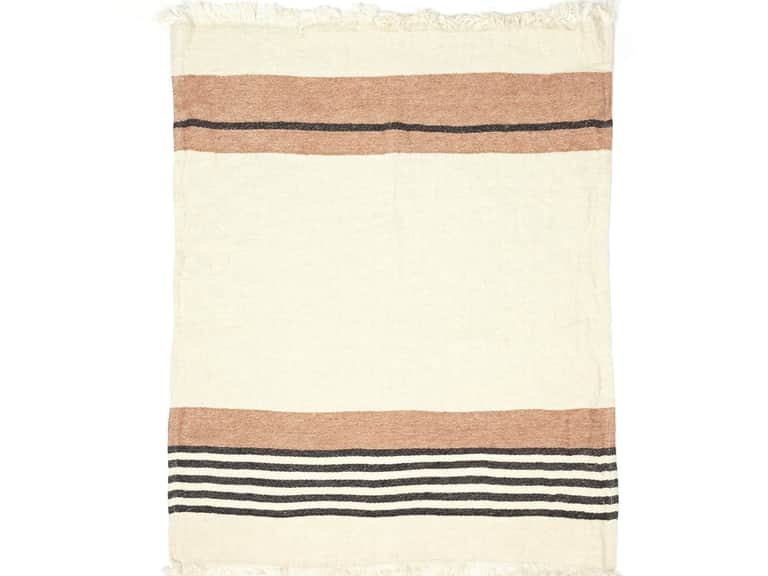
A featured linen product in our gallery: The Belgian Towel Fouta Inyo 43x71"
The Belgian Towel Fouta Inyo 43x71" stands as a wearable emblem of linen expertise — 100% linen, washed finish, and a sateen weave that lends both absorbency and a refined hand. While designed for multi-purpose use, its aesthetic also harmonizes with interior spaces as a flexible textile accent. In Libeco’s craftsmanship tradition, the towel embodies durability and soft texture. Its flaxen warmth mirrors the natural tones of linen bedding, creating visual coherence when used in bathrooms or guest spaces and contrasting gently with cottons and blends in living areas.
The Belgian Towel Fouta Inyo (43x71")
Material: 100% linen. Finish: Sateen weave; washed finish. Care: Machine wash cold, gentle cycle; line dry or tumble dry on low; iron with steam on slightly damp linen.
Why this piece matters
Its versatility makes it a practical anchor for any space. Whether used in the bathroom as a quick-dry towel, on a sofa as a lightweight throw, or at the beach for a stylish cover, it embodies linen’s storied balance of beauty and utility.
Price: 273.50. Availability and variants align with Libeco’s emphasis on sustainability and heritage textiles.
Glossary and resource guides
To help readers navigate linen terminology, here is a quick glossary of terms you’ll encounter in the finelinen.shop universe:
- Percale: a closely woven, crisp fabric with a matte finish, typically cool to the touch.
- Hems: the finished edges on textiles, including hemstitch detailing for a tailored look.
- Froissé: a lightly worn or crinkled texture that adds character and ease of care.
- GOTS: Global Organic Textile Standard, indicating organic fiber sourcing and responsible processing.
- Hemstitched: decorative stitch along the edge that creates a refined, subtle pattern.
Resources and further reading
For readers seeking deeper dives into linen history, fiber science, and design applications, consider exploring textile museum collections, dedicated textile history volumes, and reputable design journals. This article provides a starting map for a broader exploration of linen’s place in interior design.
Conclusion: linen as a bridge between past and present
Linen remains a bridge between history and modern living. Its natural properties — breathability, temperature regulation, and a forgiving, durable texture — make it a dependable partner for interiors designed to be lived in and loved. By selecting linen with care, embracing finishes that suit your mood, and caring for fabrics with an informed approach, you invite linen’s legacy into every room you inhabit. It’s not merely about textiles; it’s about cultivating spaces that feel grounded, purposeful, and wonderfully timeless.
Note: The product highlighted here is part of a curated selection from Libeco in our example catalog. Images and product references are provided for illustrative purposes; availability and styling may vary by region.